
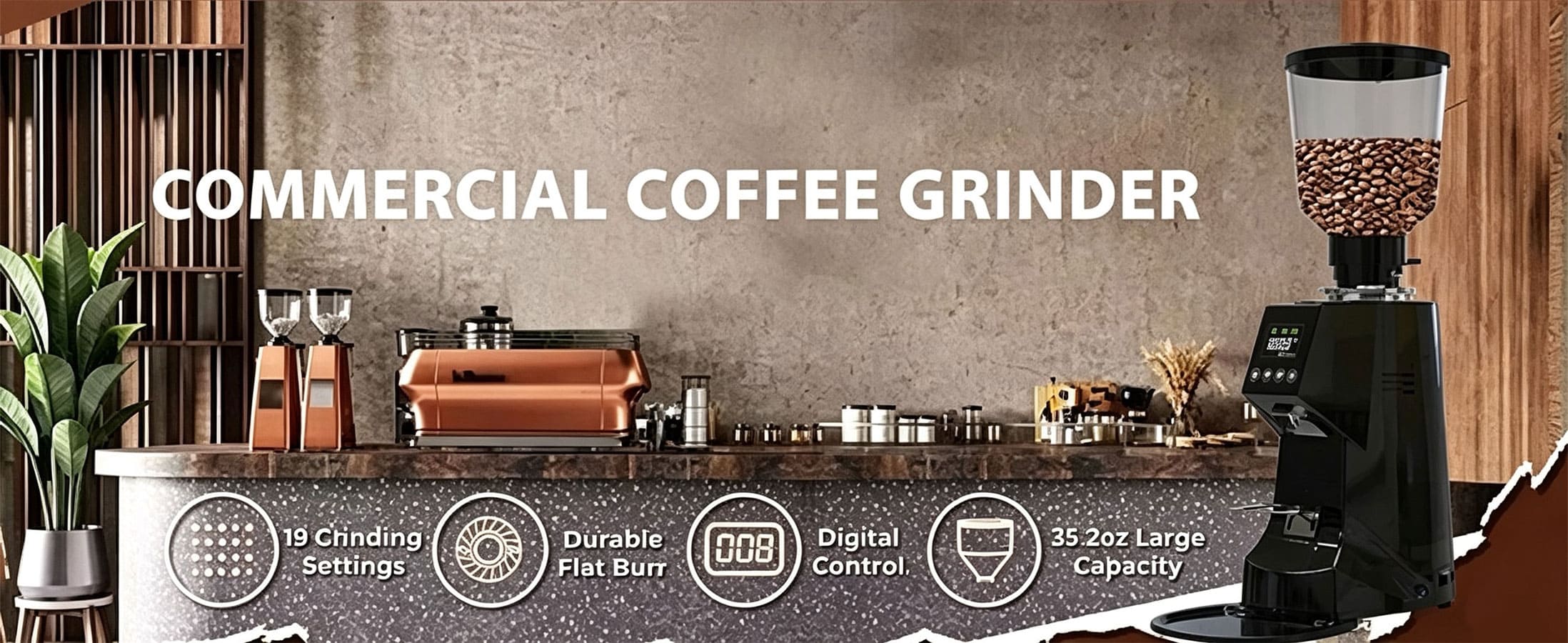
Not every small appliance category needs to be complicated. Coffee makers and electric kettles are mature, well-understood products with deep supplier bases and predictable demand. For distributors building a balanced portfolio, they are the categories that pay the bills while you invest in higher-risk, higher-reward products. But “simple” does not mean “careless.” Two procurement disciplines separate profitable kettle and coffee maker programs from the ones that bleed margin through returns and compliance failures.
Kettles: The Certification Path Is the Whole Game
Electric kettles are one of the easiest categories to source—simple heating elements, no moving parts, high demand, and easy branding . They are also one of the easiest categories to get wrong, because the certification requirements for heating appliances are non-negotiable and expensive to retrofit.
For the U.S. market, kettles require UL 1082 certification. For Europe, CE marking under the Low Voltage Directive and EMC Directive applies. A factory-supplied “CE declaration” is not the same as third-party test reports; for heating appliances, you need actual test documentation, not a self-declaration PDF . We have seen distributors accept a supplier’s CE declaration, ship a container, and then discover at customs that the documentation does not satisfy the importer’s obligations. The goods sit in a bonded warehouse while you pay demurrage and scramble for testing.
The procurement solution is straightforward: before placing any kettle order, request the UL file number (for U.S.) or the test report reference number (for EU) for the exact model you are purchasing. Verify that the certificate lists the factory as the manufacturer. If the certificate is held by a trading company or a different factory, ask for the authorization letter that permits your supplier to produce under that certification. This is basic due diligence, but it is routinely skipped in the rush to secure a low unit price.
Coffee Makers: Stick to Drip for Your First Order
The coffee maker category spans a wide range of complexity, from basic drip machines to pod systems to espresso machines. Our strong recommendation for distributors entering or expanding in this category is to focus on drip and pour-over styles for the first order cycle . Basic drip machines run $12 to $28 FOB and have well-established certification pathways. Pod-style and espresso machines introduce additional complexity—pressure systems, proprietary pod compatibility, and higher return rates when the consumer’s expectations exceed the machine’s capability.
Drip coffee makers also benefit from a predictable replacement cycle. Consumers who buy a $25 drip machine at retail are not expecting a decade of service; they are expecting a few years of reliable morning coffee. This aligns the product’s engineering and price point with realistic consumer expectations, which reduces warranty claims and negative reviews.
The Shared Discipline: Food-Contact Compliance
Both kettles and coffee makers contact food and water directly. In the U.S., food-contact materials—rubber seals, non-stick coatings, plastic carafes, and kettle interiors—must comply with FDA 21 CFR regulations. Reputable factories know this and can provide material compliance documentation. Ask for it upfront, before the order, not after .
Our standard request is simple: “Please provide FDA food-contact compliance documentation for all materials that contact water or coffee.” Factories that have supplied the U.S. market for years will have this on file. Factories that hesitate are telling you they have not done the testing. That is a risk you do not need to take on a category this competitive.